
Online Payments and Digital Wallets
Learn how online payments and digital wallets work, why people use them, and how to stay safe while paying digitally.
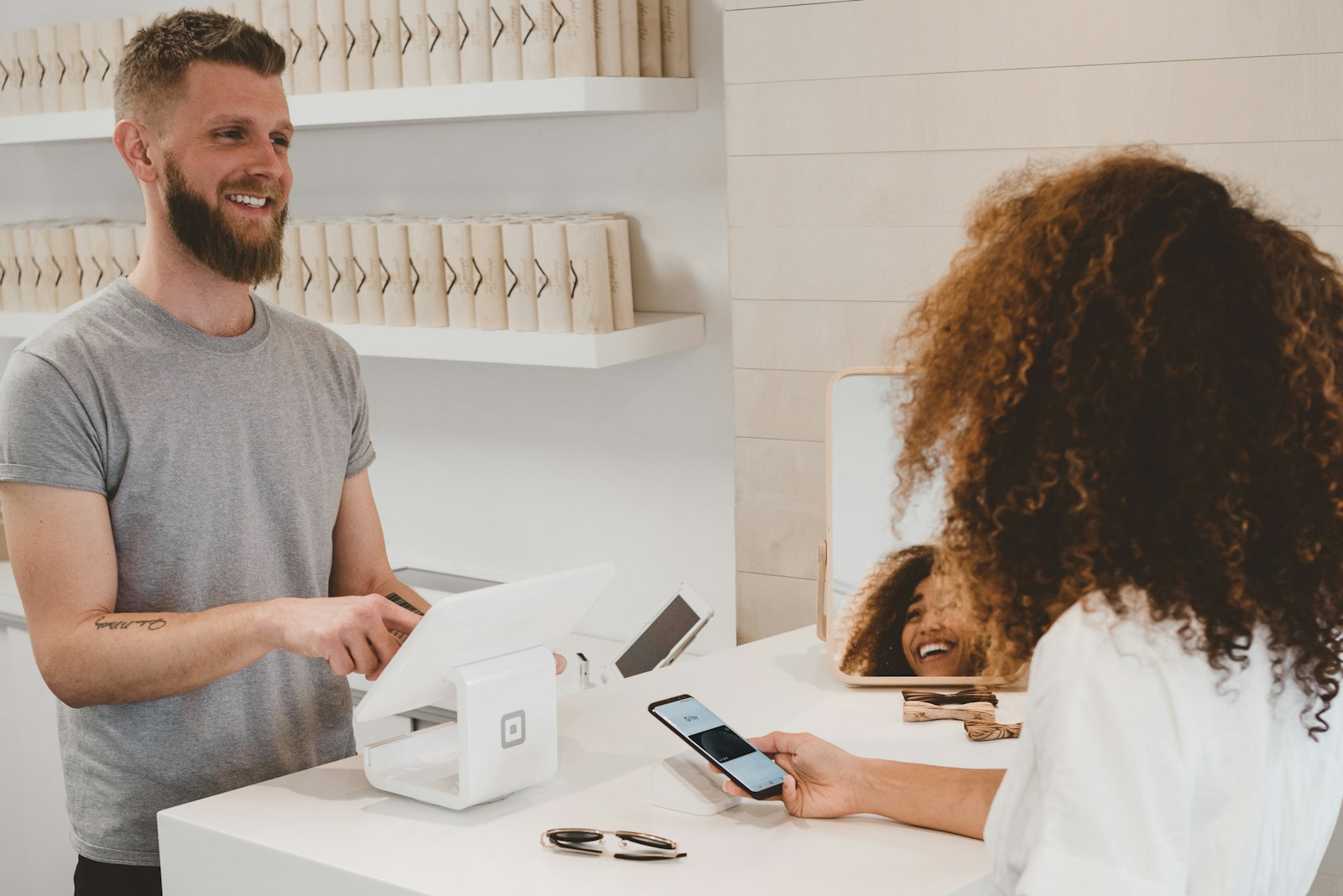
- Understand what online payments are
- Learn what digital wallets are
- Identify common types of digital payments
- Recognize fees and hidden costs
- Use safe habits to protect your money online
Introduction
Thanks to technology, many people can now pay for products and services without using cash. Online payments and digital wallets make transactions faster and more convenient; they keep growing across many countries. Nevertheless, they also require awareness and good money habits.
Why this matters
Online payments and digital wallets matter because they make transactions faster, easier, and more convenient. However, using them safely requires strong passwords, careful checking, awareness of fees, and good records.
The main idea
First off, what are online payments?
They are when you pay for something through the internet instead of using physical cash.
To give you some examples, online payments can include buying from an online store.
They can include paying for a course.
They can include paying bills online.
They can also include subscribing to a service.
Okay, but what are digital wallets?
A digital wallet is an app or online service that stores payment information and allows you to receive, send, and spend money.
To be inclusive, this differs by country, such as bank apps and payment platforms, but it is available in a lot of them.
What are common types of digital payments?
Mobile wallets are one type.
Bank transfer apps are another type.
Debit or credit card payments are also common.
QR code payments can be used in some places.
Online checkout pages are another type.
Peer-to-peer transfers allow people to send money to each other.
Payment links can also be used.
We have now learned what they are, but let us answer why people use them in the first place.
They offer a lot of convenience.
They can be fast.
They reduce the need to carry cash.
They make online shopping easier.
They allow people to send money to others.
They provide digital records of transactions.
But how exactly can you pay with them?
You choose a product or service.
You enter payment details or select a wallet.
You confirm the amount.
You receive a confirmation or receipt.
You keep a record of the transaction, sometimes through messages or email.
Now we come to the important section: safety and security.
You should always try taking steps to protect yourself and your accounts.
Use strong passwords.
Enable two-factor authentication if available.
Never share PINs, passwords, or OTP codes.
Avoid public Wi-Fi for payments when possible.
Use trusted websites and apps.
Check website links carefully before paying.
Log out of shared devices.
For fees and hidden costs, as we mentioned in earlier lessons, there are always hidden costs to nearly everything.
It is the same for digital payments.
These can include transfer fees.
They can include currency conversion fees.
They can include withdrawal fees.
Service charges may also apply.
Late fees for “buy now, pay later” options may apply where available.
Keep in mind that this differs by country and platform too.
Last but not least, transaction records matter for a bunch of reasons.
They help track spending.
They prove payment was made.
They help resolve disputes.
They support budgeting.
They may be needed for business or tax purposes.
Do I understand the fees before making a payment?
Did I check the recipient or website carefully?
Am I using a strong password?
Do I keep records of important transactions?
Is this payment necessary and within my budget?
By now, we have learned that online payments and digital wallets can make money management easier.
Convenience here is one of the best things they offer, but it should always come with caution.
Strong passwords and awareness of fees help protect your money.
A smart user, like you, enjoys the benefits of digital payments while staying safe and responsible.
Imagine you are paying for an online course. Before paying, you check that the website link is trusted, confirm the amount, choose a secure payment method, avoid public Wi-Fi if possible, and save the receipt. This helps protect your money and gives you proof of payment if there is a problem later.
Practical steps you can take
- 1
Use trusted websites and apps for payments
- 2
Check the recipient or website carefully before sending money
- 3
Confirm the payment amount before approving it
- 4
Use strong passwords
- 5
Enable two-factor authentication if available
- 6
Never share PINs, passwords, or OTP codes
- 7
Avoid public Wi-Fi for payments when possible
- 8
Log out of shared devices
- 9
Understand fees before making payments or transfers
- 10
Keep receipts, emails, messages, or screenshots of important transactions
- 11
Check your transaction history regularly
- 12
Make sure the payment fits your budget
Common mistakes to avoid
- Sending money without checking the recipient.
- Ignoring fees.
- Using weak passwords.
- Sharing OTP codes.
- Paying through suspicious links.
- Not checking transaction history.
- Forgetting subscriptions linked to digital payments.
- Using public Wi-Fi for payments when avoidable.
- Not keeping records of important transactions.
Before making your next online payment, what safety step can you take to protect your money?
Take 60 seconds. Write your answer in a notebook or notes app.
Key takeaways
- Online payments are payments made through the internet instead of physical cash.
- Digital wallets are apps or online services that store payment information and allow people to receive, send, and spend money.
- Types of digital payments include mobile wallets, bank transfer apps, card payments, QR code payments, checkout pages, peer-to-peer transfers, and payment links.
- Digital payments are convenient because they are fast, reduce the need for cash, support online shopping, and create transaction records.
- Safety is important when using online payments and digital wallets.
- Strong passwords and two-factor authentication can help protect accounts.
- You should never share PINs, passwords, or OTP codes.
- Fees can include transfer fees, currency conversion fees, withdrawal fees, service charges, or late fees.
- Transaction records help track spending, prove payment, resolve disputes, support budgeting, and help with business or tax records.
- A smart user enjoys convenience while staying careful and responsible.
Which of the following is a safe habit when using online payments?
Ready to lock it in?
Take the weekly quiz to earn your badge and track your progress.
Take the weekly quiz