
How Governments Use Taxes
Learn how governments use tax money to fund public services, infrastructure, social programs, safety, and emergency response.
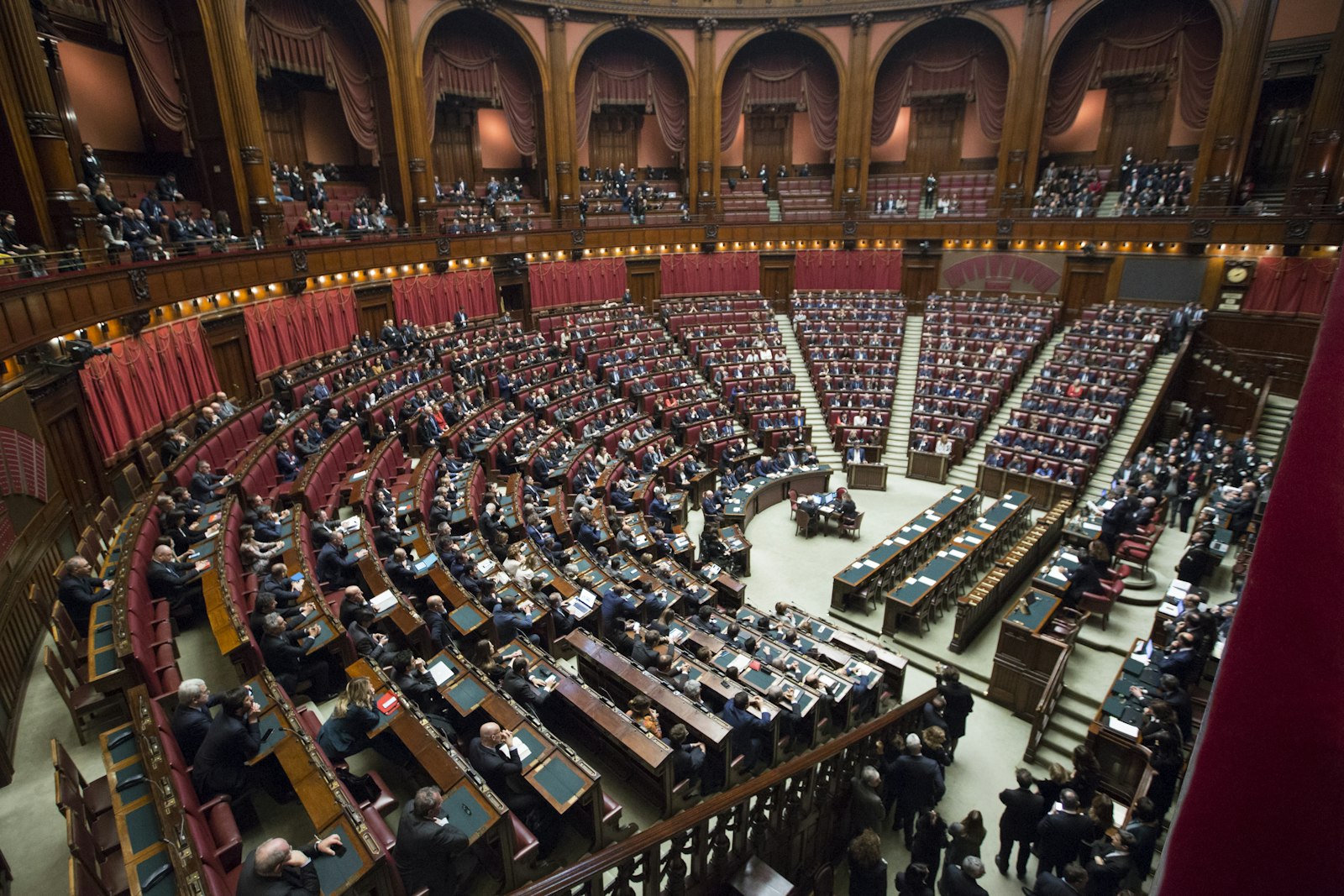
- Understand how governments use tax money
- Identify public services funded by taxes
- Learn how taxes support infrastructure
- Recognize social programs and government operations supported by taxes
- Explain why tax spending differs by country
Introduction
Many people know about paying taxes and that they actually pay them. However, fewer know where their money goes. Taxes are one of the main ways governments fund public services and programs. Understanding how they are used helps people better understand the role taxes play in society and helps them become more financially informed.
Why this matters
Tax spending matters because it helps fund services that people use every day. Understanding where tax money goes helps you become a more informed citizen and a more financially literate person.
The main idea
First of all, what are taxes?
Just as mentioned in the last lesson, taxes are money collected from individuals and businesses by governments.
Then governments use this money to operate and provide services.
One example is funding public services.
Taxes help pay for services people use every day.
These services can include schools and education.
They can also include hospitals and healthcare.
Roads, bridges, and transportation may also be funded by taxes.
Police, firefighters, and emergency services are also examples.
Parks and public facilities may also be supported by tax money.
Another example is building and maintaining infrastructure.
Infrastructure can include roads.
It can also include bridges.
Airports may also be funded or supported by governments.
Water systems are another example.
Electricity and public utility projects may also be included, where applicable.
Remember, infrastructure helps communities and economies function.
Taxes may also support social programs.
As this differs from one country to another, we will try to be as inclusive as possible.
These programs can include unemployment support.
They can also include pensions.
Disability assistance may be included.
Housing assistance may also be supported.
Other social welfare programs may exist too.
Still, their availability differs around the world.
Another example is national security and government operations.
This can include national defense.
It can include border protection.
Courts and legal systems may also be funded.
Government agencies and public administration are also included.
This helps citizens be safe and sleep with ease during the night.
Last but not least, taxes may support emergency response and disaster relief.
This can include natural disasters.
It can include public health emergencies.
Recovery and rebuilding efforts may also be funded.
Emergency preparedness is another example.
But why does tax spending differ by country?
Every country has different priorities, and according to them, they allocate money differently.
Additionally, tax rates and public services vary around the world.
Common misconceptions.
“I never benefit from taxes.”
All of these are not true.
Remember, most people benefit from tax spending.
So by now, we have learned that taxes help fund public services, infrastructure, and government operations.
We know that each country uses tax revenue differently.
Tax money supports many services on a daily basis.
Understanding spending helps you become a more informed citizen and a more financially literate person, like you are!
Imagine you use a public road, attend a public school, visit a hospital, walk in a public park, or receive help during an emergency. Even if you do not always notice it, tax money may help fund or support these services depending on your country.
Practical steps you can take
- 1
Understand that governments use taxes to fund public services and programs
- 2
Recognize that taxes may support schools, hospitals, roads, transportation, emergency services, and parks
- 3
Learn that infrastructure helps communities and economies function
- 4
Remember that social programs differ from country to country
- 5
Understand that taxes may also support courts, public administration, and national security
- 6
Know that emergency response and disaster relief may also be funded by taxes
- 7
Avoid assuming every country spends tax money the same way
- 8
Think about the public services you use in daily life
Common mistakes to avoid
- Thinking taxes only pay government workers.
- Believing all taxes go to one place.
- Assuming every country spends tax money the same way.
- Thinking you never benefit from taxes.
- Forgetting that taxes can support public services used every day.
- Ignoring how infrastructure supports communities and economies.
- Assuming tax rates and public services are the same everywhere.
What is one public service you use that may be supported by tax money?
Take 60 seconds. Write your answer in a notebook or notes app.
Key takeaways
- Taxes are one of the main ways governments fund public services and programs.
- Governments collect taxes from individuals and businesses.
- Tax money can help fund schools, healthcare, transportation, emergency services, parks, and public facilities.
- Taxes can support infrastructure such as roads, bridges, airports, water systems, and public utility projects.
- Some countries use taxes to support social programs like unemployment support, pensions, disability assistance, and housing assistance.
- Taxes may also support national security, courts, legal systems, government agencies, and public administration.
- Tax money can help with emergency response, disaster relief, recovery, and preparedness.
- Every country has different priorities, so tax spending differs around the world.
- Most people benefit from tax spending in some way.
- Understanding how taxes are used helps you become a more informed citizen.
Which of the following can tax money help fund?
Ready to lock it in?
Take the weekly quiz to earn your badge and track your progress.
Take the weekly quiz